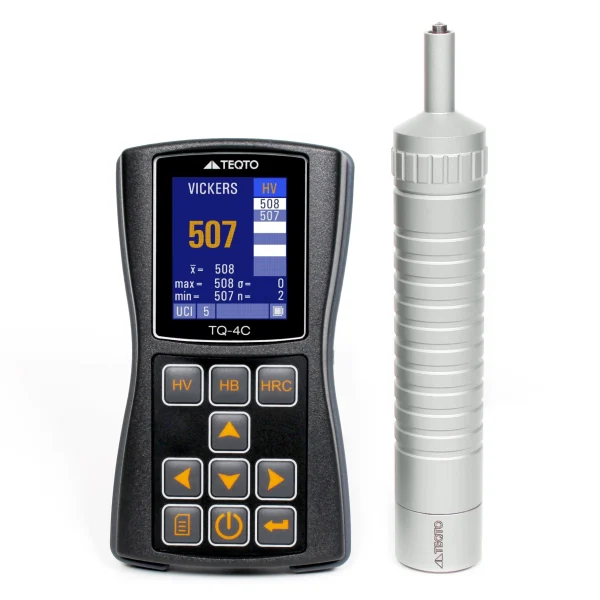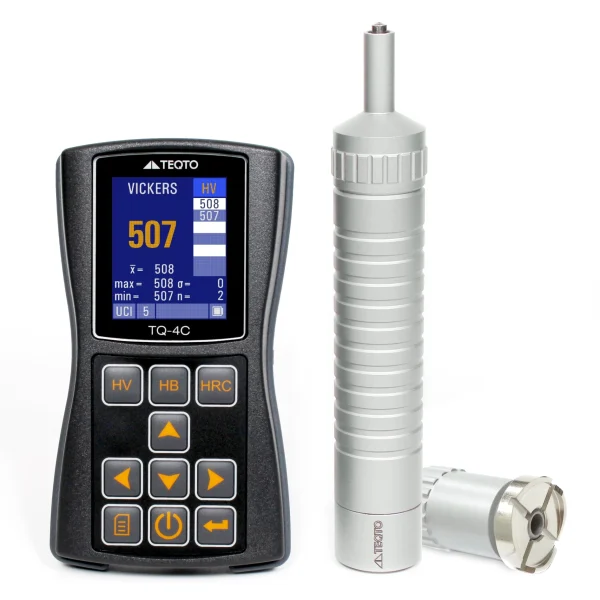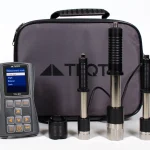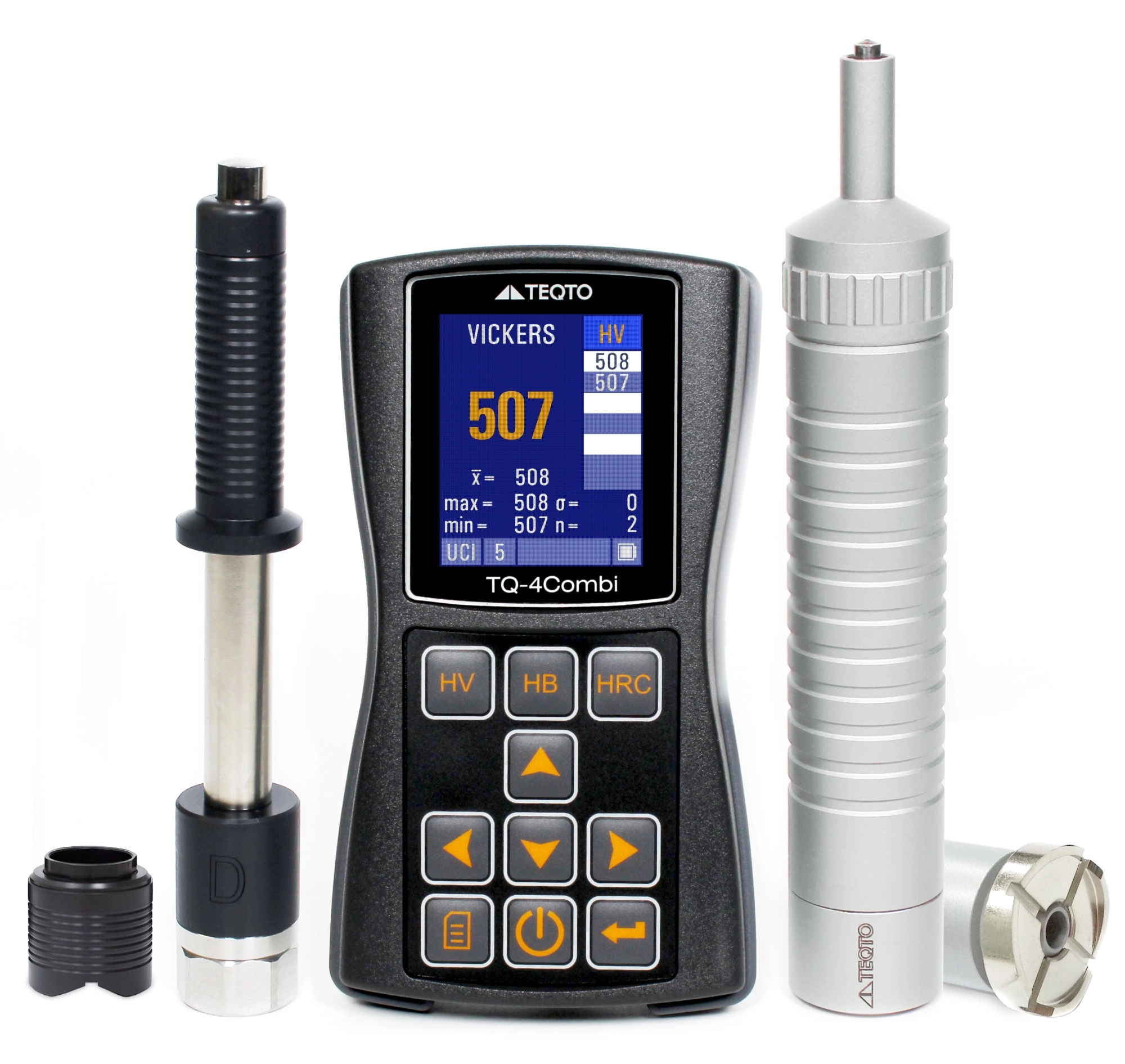
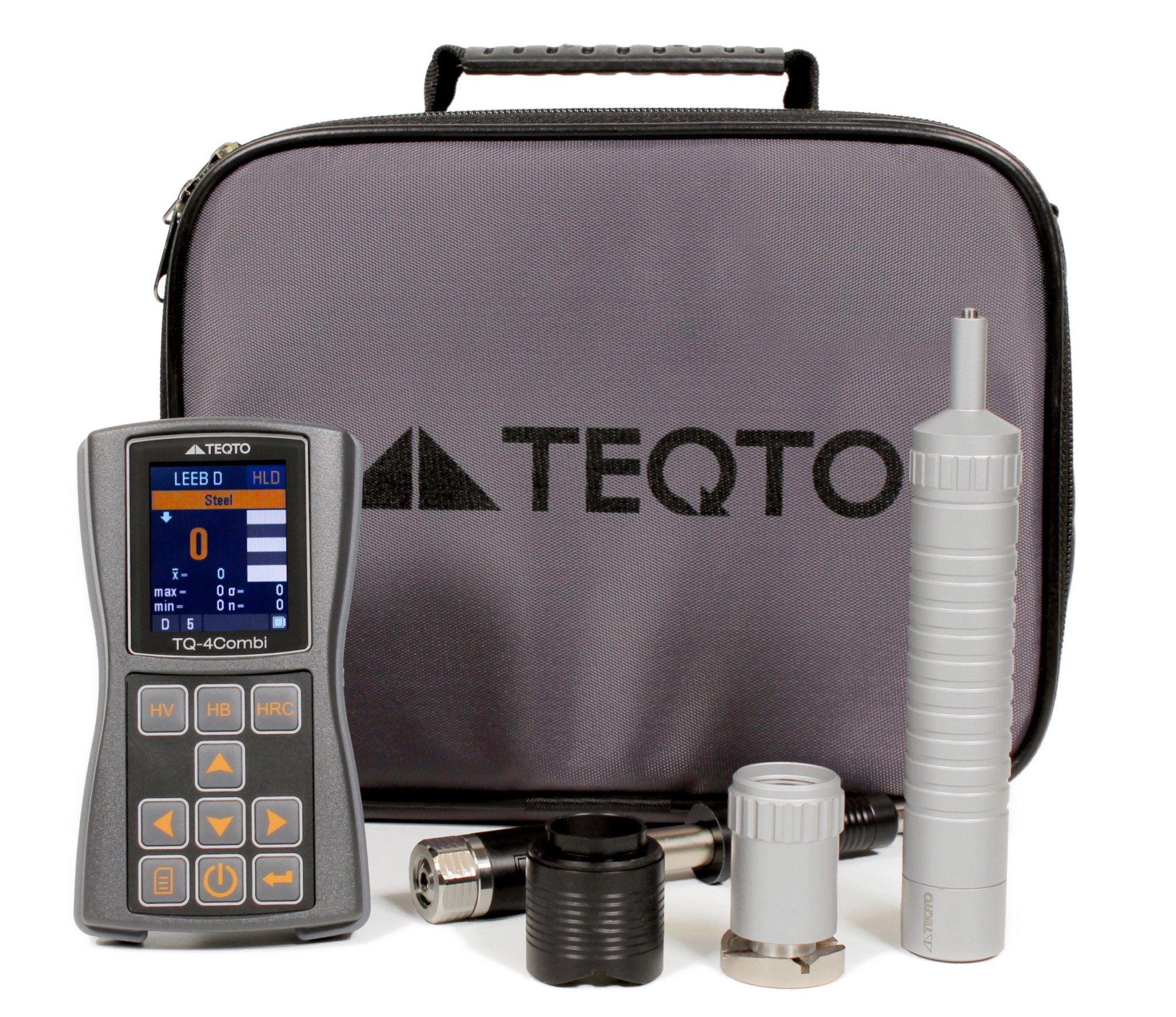
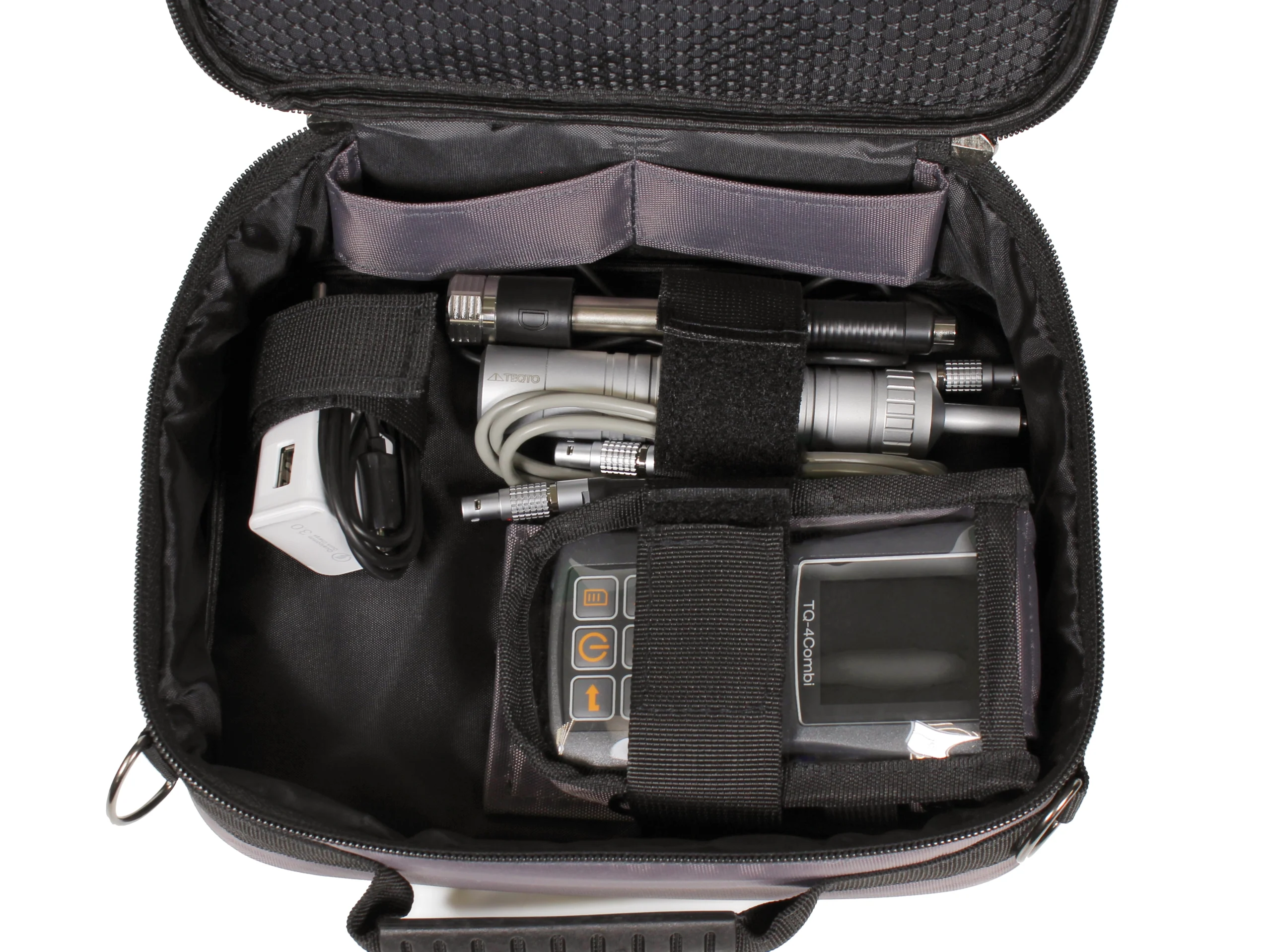
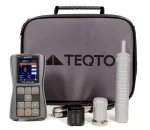
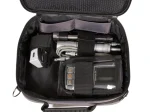
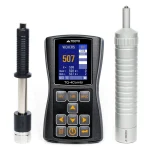
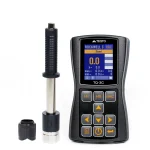
TQ-4Combi Plus – Combined hardness tester
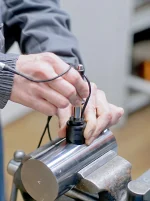
High-precision hand-held instrument equipped with brand-new software, designed for non-destructive testing of production quality. Targeted for use across a variety of industries including metallurgy, mechanical engineering, aircraft construction, shipbuilding, atomic industry, and oil and gas.
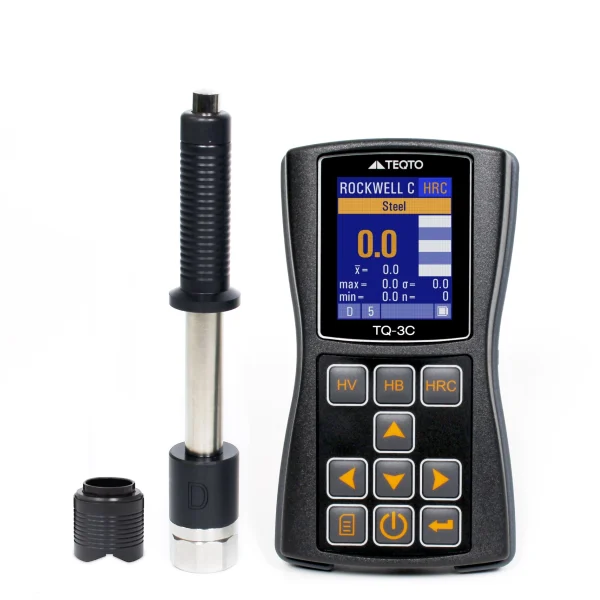
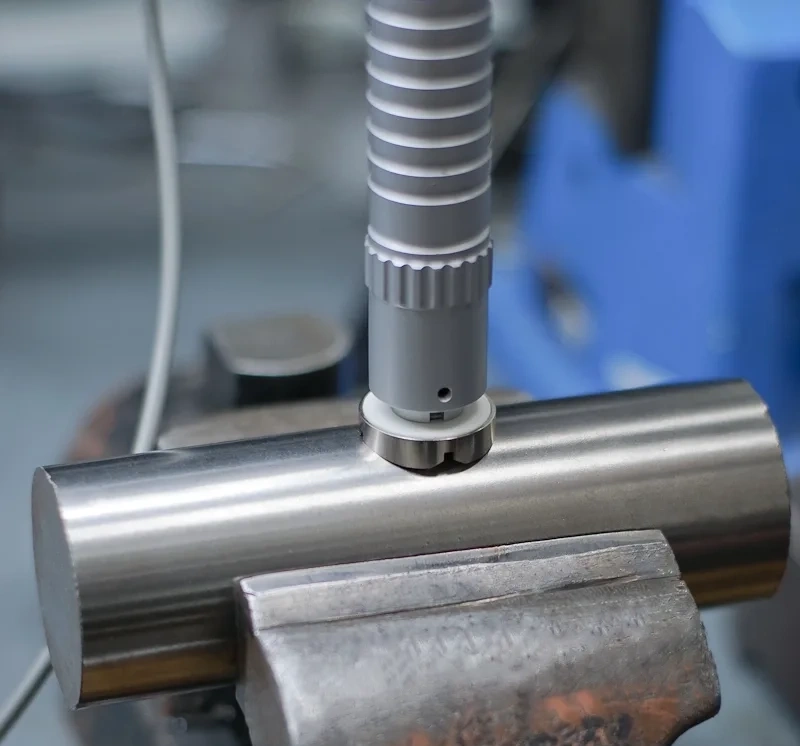
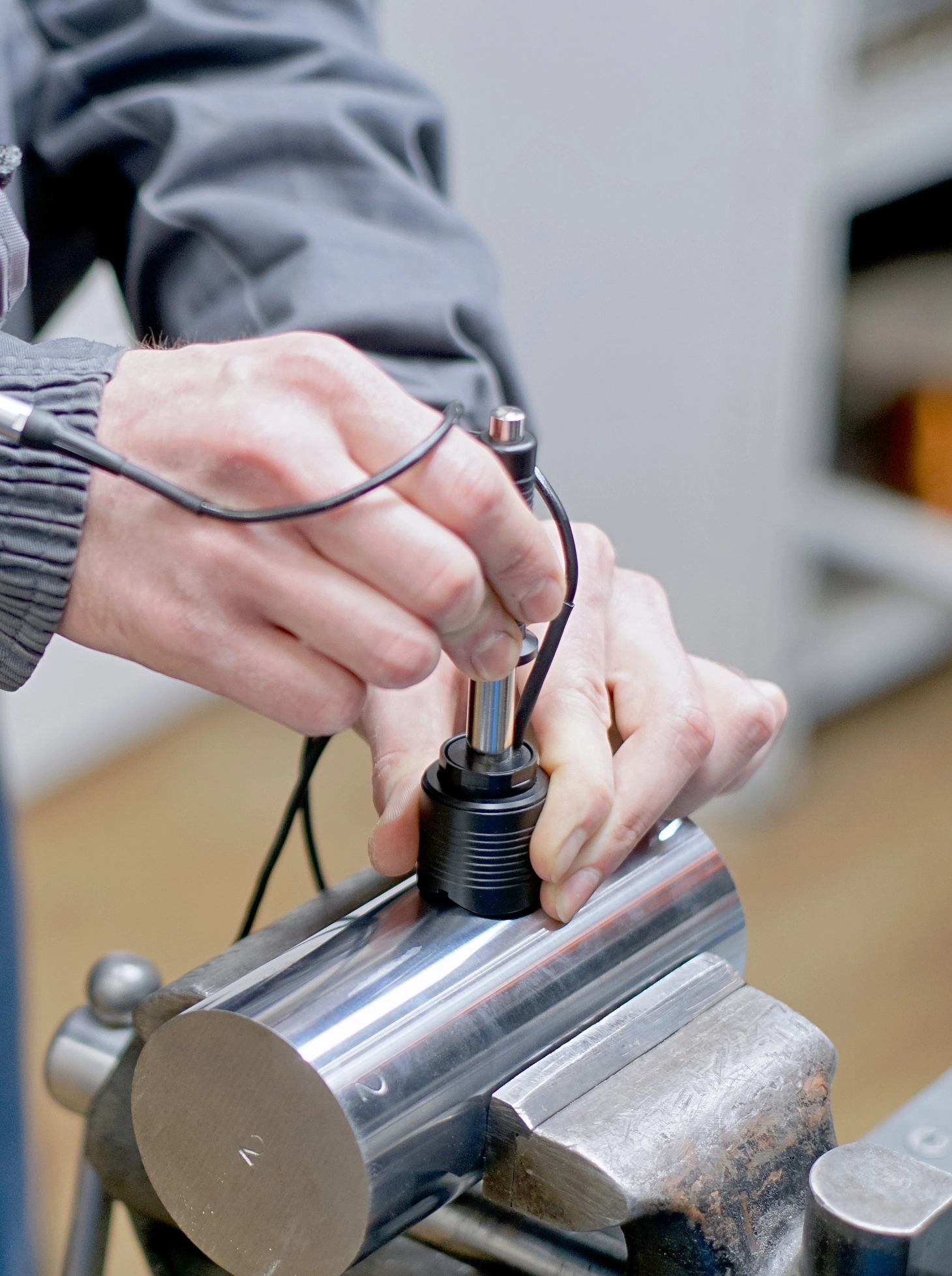
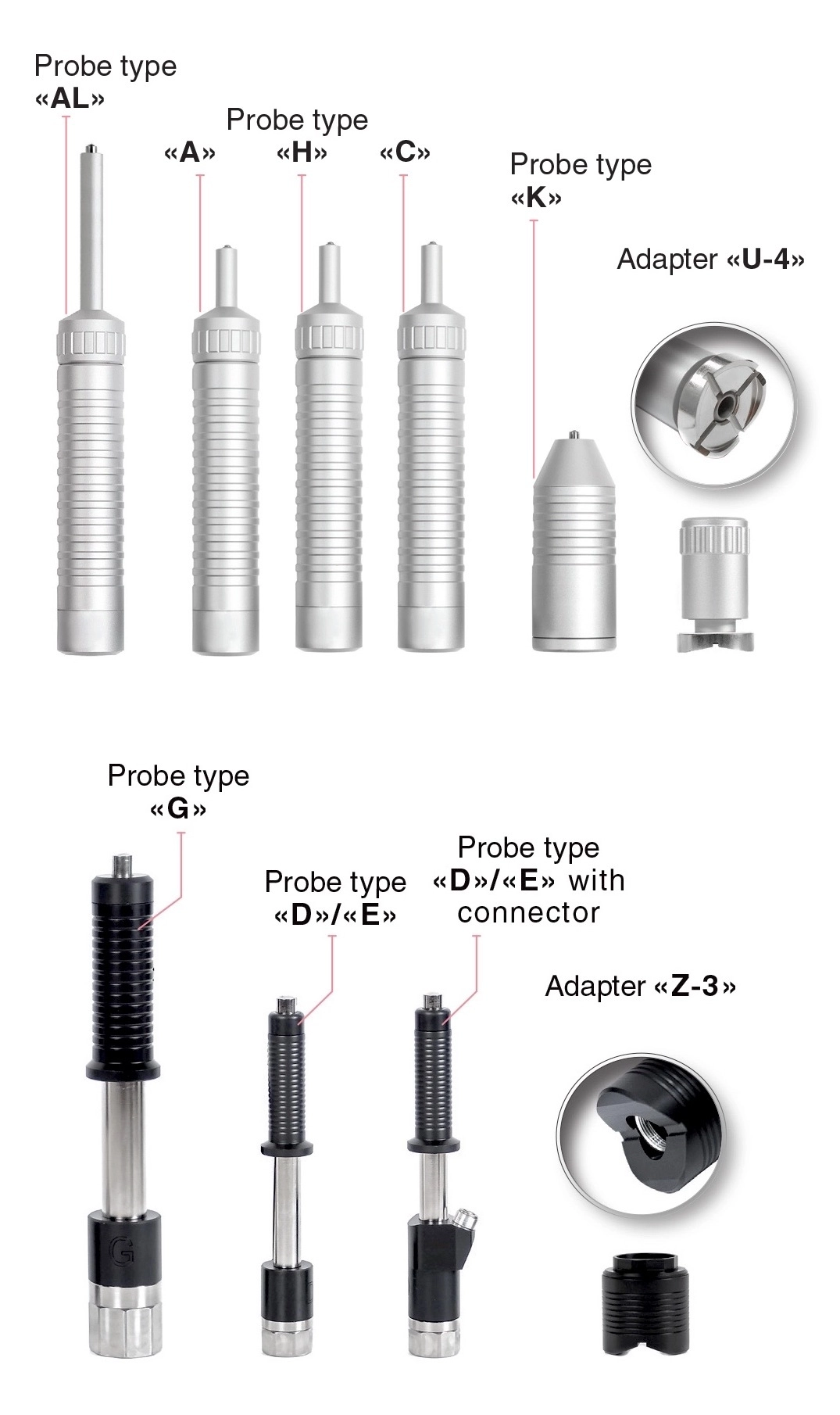
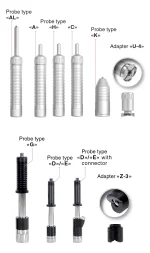
TQ-4Combi Plus combines the advantages of both UCI and Leeb methods for precise control of metals and alloys hardness.
Application
- Carbon and structural steels, along with other fine-grained materials.
- Hard-surfaced items treated with cementation, nitride hardening, or high-frequency current hardening.
- Heat-resistant, corrosion-resistant, and stainless steels.
- Non-ferrous metals and alloys such as cast iron, aluminum, bronze, and brass.
- Electroplated coatings like chrome, copper, nickel, zinc, and tin, as well as overlaying.
- Items of complex configuration including gear teeth, shafts, pipes of any diameter, grooves, and blind holes.
- Thin-walled and small-sized items.
- Large items and heavy-duty equipment like gas pipelines, rails, and construction elements.